



Perverting God's Word - the Rainbow

Dingleberry

A child of God
SportsBook Owner
'25 Survivor Champion
Batch Image
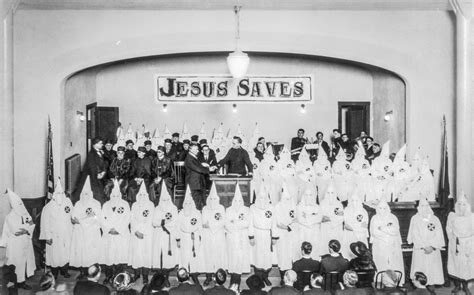
One of Satan's successful tactics is to pervert what is God's and distract stupid people with it. The rainbow is a perfect example of this. Most see it as a symbol of mentally ill freaks now.

No. The rainbow is ours. A promise from God to never use a flood to punish humanity again.

I'll think of some more examples of Word perversion for sure.


I set My rainbow in the cloud, and it shall be for the sign of the covenant between Me and the earth.
It shall be, when I bring a cloud over the earth, that the rainbow shall be seen in the cloud;
and I will remember My covenant which is between Me and you and every living creature of all flesh;
the waters shall never again become a flood to destroy all flesh.

- Genesis 9:13-15
 
Some more thoughts on this topic....

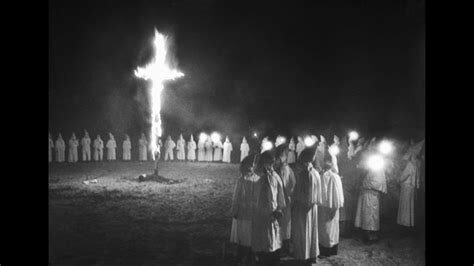
Twisting the Scriptures is not just a matter of poor interpretation. It is a spiritual tactic—used by Satan—to mislead, deceive, and destroy.

The serpent in Eden didn’t start with a blatant lie. He started with a question. He subtly introduced doubt: “Yea, hath God said…?” (Genesis 3:1). This was the first instance of Scripture-twisting, and its effects were catastrophic.

From the garden to the wilderness to the modern pulpit, the pattern has never changed: God speaks truth, the enemy distorts it, and souls are caught in the fallout.
 

Some ways Scriptures are twisted:

1. Taking verses out of context

– Ignoring the surrounding verses, chapter, or book theme.
– Example: “Judge not…” (Matthew 7:1) used to silence all discernment—while ignoring verses 2–5.

2. Overemphasizing one truth to the neglect of others

– Focusing on love while excluding holiness, or grace while ignoring repentance.
– Example: “God is love” (1 John 4:8) used to deny God’s wrath or justice.

3. Using Scripture as a proof text for personal agendas

– Leaders or teachers hand-picking verses to justify authority, control, or abuse.
– Example: “Touch not mine anointed” (Psalm 105:15) used to silence criticism or expose sin.

4. Quoting verses with altered definitions

– Redefining key terms like grace, faith, or salvation to fit a doctrinal mold.

5. Silencing Scripture by never quoting it at all

– Some verses are twisted by simply being ignored. The result? A one-sided gospel.
 

Some ways Scriptures are twisted:

1. Taking verses out of context

– Ignoring the surrounding verses, chapter, or book theme.
– Example: “Judge not…” (Matthew 7:1) used to silence all discernment—while ignoring verses 2–5.

2. Overemphasizing one truth to the neglect of others

– Focusing on love while excluding holiness, or grace while ignoring repentance.
– Example: “God is love” (1 John 4:8) used to deny God’s wrath or justice.

3. Using Scripture as a proof text for personal agendas

– Leaders or teachers hand-picking verses to justify authority, control, or abuse.
– Example: “Touch not mine anointed” (Psalm 105:15) used to silence criticism or expose sin.

4. Quoting verses with altered definitions

– Redefining key terms like grace, faith, or salvation to fit a doctrinal mold.


5. Silencing Scripture by never quoting it at all

– Some verses are twisted by simply being ignored. The result? A one-sided gospel.
Applying "modern" definitions to an ancient document - fail. This doesn't work for a document that's barely 250 years old, let alone one that is ~3500 years old, and another that is ~2000 years old..
 

Some ways Scriptures are twisted:

1. Taking verses out of context

– Ignoring the surrounding verses, chapter, or book theme.
– Example: “Judge not…” (Matthew 7:1) used to silence all discernment—while ignoring verses 2–5.

2. Overemphasizing one truth to the neglect of others

– Focusing on love while excluding holiness, or grace while ignoring repentance.
– Example: “God is love” (1 John 4:8) used to deny God’s wrath or justice.

3. Using Scripture as a proof text for personal agendas

– Leaders or teachers hand-picking verses to justify authority, control, or abuse.
– Example: “Touch not mine anointed” (Psalm 105:15) used to silence criticism or expose sin.

4. Quoting verses with altered definitions

– Redefining key terms like grace, faith, or salvation to fit a doctrinal mold.

5. Silencing Scripture by never quoting it at all

– Some verses are twisted by simply being ignored. The result? A one-sided gospel.


Not to start a battle of bible versus bible, but the "Thou shalt not kill" v. "Thou shalt not murder" difference is an example of how powerful even one translation change can be.
 
Not to start a battle of bible versus bible, but the "Thou shalt not kill" v. "Thou shalt not murder" difference is an example of how powerful even one translation change can be.

It's why taking the time to dig into the original Hebrew/Greek words is imperative.

Take the word "know" for example. It's a casual English word. I know you, you know me. Simple word. Now look at Deuteronomy 7:9

“Therefore know that the LORD your God, He is God,
the faithful God who keeps covenant and mercy for a thousand generations
with those who love Him and keep His commandments;


Our casual word "know" is the best translation for the Hebrew word "yada" in the verse. But "yada" means so much more. It is an intimate knowledge. In the heart and mind, not just mind. It's the same word when Adam "knew" his wife again and out popped Seth.

All professing Christians know that the Lord God is God, the faithful God who....

But do all professing Christians yada that the Lord God is God, the faithful God? Satan knows God. Satan doesn't yada Him.
 
Back
Top