



So many heroes of the faith have been largely forgotten over time. These people should not ever be forgotten.
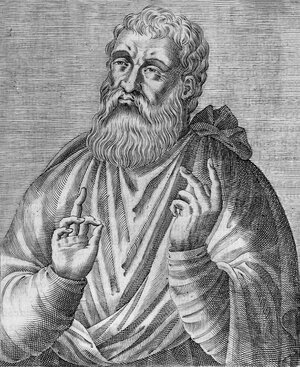
I'll start with Polycarp. He was a disciple of John and as an old man was the leader of the church in Smyrna. The details below are taken from an account written by the Christians in Smyrna following his martyrdom. Polycarp had balls of steel and unshakable faith. WORTH THE QUICK READ!
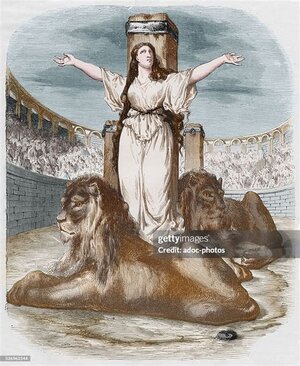
Polycarp was a personal disciple of the Apostle John. As an old man, he was the bishop of the Church at Smyrna in Asia Minor (present-day Turkey). Persecution against the Christians broke out there and believers were being fed to the wild beasts in the arena. The crowd began to call for the Christians' leader Polycarp. So the authorities sent out a search party to bring him in. They tortured two slave boys to reveal where Polycarp was being hidden.
It was a Friday afternoon. Polycarp was resting upstairs in a country home. They came in like a posse, fully armed as if they were arresting a dangerous criminal. Polycarp's friends wanted to sneak him out, but he refused, saying, "God's will be done." (The Christians there taught that a believer was not to make oneself available for martyrdom and should not seek it out, but neither should he/she avoid it when there was no choice.)
In one of the most touching instances of Christian grace imaginable, Polycarp welcomed his captors as if they were friends, talked with them and ordered that food and drink be served to them. Then Polycarp made one request: one hour to pray before they took him away. The officers overhearing his prayers (that went on for two hours) began to have second thoughts. What were they doing arresting an old man like this?
Despite the cries of the crowd, the Roman authorities saw the senselessness of making this aged man a martyr. So when Polycarp was brought into the arena, the proconsul pled with him: "Curse Christ and I will release you."
REPLY: "Eighty-six years I have served Him. He had never done me wrong. How then can I blaspheme my King who has saved me?"
The proconsul reached for an acceptable way out: "Then do this, old man. Just swear by the genius of the emperor and that will be sufficient." (The "genius" was sort of the "spirit" of the emperor. To do this would be a recognition of the pagan gods and religion.)
REPLY: "If you imagine for a moment that I would do that, then I think you pretend that you don't know who I am. Hear it plainly. I am a Christian."
The proconsul threatened him with the wild beasts.
REPLY: "Bring them forth. I would change my mind if it meant going from the worse to the better, but not to change from the right to the wrong."
The proconsul's patience was gone: "I will have you burned alive."
REPLY: "You threaten fire that burns for an hour and is over. But the judgment on the ungodly is forever."
The fire was prepared. Polycarp lifted his eyes to heaven and prayed: "Father, I bless you that you have deemed me worthy of this day and hour, that I might take a portion of the martyrs in the cup of Christ. . . Among these may I today be welcome before thy face as a rich and acceptable sacrifice."
As the fire engulfed him, the believers noted that it smelled not so much like flesh burning as a loaf baking. He was finished off with the stab of a dagger. His followers gathered his remains like precious jewels and buried them on February 22, a day they set aside to be remembered. The year was probably 155. In the strange way known to the eyes of faith, it was as much a day of triumph as it was a day of tragedy.
I'll start with Polycarp. He was a disciple of John and as an old man was the leader of the church in Smyrna. The details below are taken from an account written by the Christians in Smyrna following his martyrdom. Polycarp had balls of steel and unshakable faith. WORTH THE QUICK READ!
Polycarp was a personal disciple of the Apostle John. As an old man, he was the bishop of the Church at Smyrna in Asia Minor (present-day Turkey). Persecution against the Christians broke out there and believers were being fed to the wild beasts in the arena. The crowd began to call for the Christians' leader Polycarp. So the authorities sent out a search party to bring him in. They tortured two slave boys to reveal where Polycarp was being hidden.
It was a Friday afternoon. Polycarp was resting upstairs in a country home. They came in like a posse, fully armed as if they were arresting a dangerous criminal. Polycarp's friends wanted to sneak him out, but he refused, saying, "God's will be done." (The Christians there taught that a believer was not to make oneself available for martyrdom and should not seek it out, but neither should he/she avoid it when there was no choice.)
In one of the most touching instances of Christian grace imaginable, Polycarp welcomed his captors as if they were friends, talked with them and ordered that food and drink be served to them. Then Polycarp made one request: one hour to pray before they took him away. The officers overhearing his prayers (that went on for two hours) began to have second thoughts. What were they doing arresting an old man like this?
Despite the cries of the crowd, the Roman authorities saw the senselessness of making this aged man a martyr. So when Polycarp was brought into the arena, the proconsul pled with him: "Curse Christ and I will release you."
REPLY: "Eighty-six years I have served Him. He had never done me wrong. How then can I blaspheme my King who has saved me?"
The proconsul reached for an acceptable way out: "Then do this, old man. Just swear by the genius of the emperor and that will be sufficient." (The "genius" was sort of the "spirit" of the emperor. To do this would be a recognition of the pagan gods and religion.)
REPLY: "If you imagine for a moment that I would do that, then I think you pretend that you don't know who I am. Hear it plainly. I am a Christian."
The proconsul threatened him with the wild beasts.
REPLY: "Bring them forth. I would change my mind if it meant going from the worse to the better, but not to change from the right to the wrong."
The proconsul's patience was gone: "I will have you burned alive."
REPLY: "You threaten fire that burns for an hour and is over. But the judgment on the ungodly is forever."
The fire was prepared. Polycarp lifted his eyes to heaven and prayed: "Father, I bless you that you have deemed me worthy of this day and hour, that I might take a portion of the martyrs in the cup of Christ. . . Among these may I today be welcome before thy face as a rich and acceptable sacrifice."
As the fire engulfed him, the believers noted that it smelled not so much like flesh burning as a loaf baking. He was finished off with the stab of a dagger. His followers gathered his remains like precious jewels and buried them on February 22, a day they set aside to be remembered. The year was probably 155. In the strange way known to the eyes of faith, it was as much a day of triumph as it was a day of tragedy.